Table Of Content

Home Made Lovely notes that there is a nuanced psychology of color that goes beyond complementary shades, warm and cool tones, and other features of color matching and contrast. The theory of color runs deep, and so too does the human brain's understanding of color. The natural world is shaded in a variety of tones and the themes that exist here affect the way that people think about color in a meaningful way. The color wheel offers a means of understanding how color tones can interact with one another and either create compliments or contrasts that look great on walls, carpeting, or upholstery. The best part of the color wheel approach is that it's easy to grasp and apply in any context that you might require.
How to Use the Color Wheel to Build Color Schemes
You can use a color wheel to easily identify which colors will go well together and what sort of impact they are going to have. Here we look at the types of color schemes you can choose using a color wheel. Tertiary colors are the colors that sit in between each primary and secondary color on the color wheel.
How & Where to Use Color in Your Home: Home Color Palette + Easy Color Hacks
Masters of furniture refinishing and restoration with over twenty-five years of experience, Passione offers a complete custom design experience. A magnetic personality and sought-after tastemaker, Peti Lau is known for her bold, eccentric modern touches, artful, and timeless interiors. Her eclectic style has attracted many clients, including celebrities and high-profile executives around the world. An artist at heart, Stephanie Hatten founded SH Interiors to create spaces designed with her clients’ tastes in mind.
Attractive Hallway Paint Ideas To Brighten Your Home
One simple trick to finding the undertone of something is to hold up your color wheel to it and see what color it most looks like. Different colors have different meanings, can influence our creativity and productivity, and create different emotions and moods. With over a decade of expertise in the design realm, Kimberly is trained at the prestigious FIT in NYC, she excels in curating harmonious spaces with a keen focus on symmetry and function.
The RGB and CMYK models, on the other hand, are based on light and ink, making them ideal for digital and print design. If you’re new to using a color wheel in interior design, start by choosing a dominant color and then selecting complementary or analogous colors to create a harmonious color scheme. Don’t be afraid to experiment with different color combinations and shades. Remember that color can affect mood, so consider the mood you want to create in each room when choosing colors. In this case, the indigo wall is only made more alluring by addition of the dark blue sofa - two shades next to each other on the color wheel.
Whether you choose to use them as the dominant colors in a room or as accent colors, incorporating primary colors into your design can add depth, contrast, and visual interest. We’ve journeyed through the vibrant world of color, exploring everything from the basics of color theory to the psychological impact of different hues. We’ve delved into the color wheel, discovered the magic of complementary colors, and even explored other color schemes like monochromatic, analogous, and split-complementary. But what if you love the contrast of a complementary scheme but crave a bit more harmony? This involves choosing a base color and pairing it with the two colors adjacent to its direct complement on the color wheel.
This tool comes with pre-made palettes to help get your creative juices flowing. Like many other tools, you can also start from an image and match colors to the hues in the photo. Of course, you can try experimenting and creating your interior based mainly on the color wheel. This option is quite acceptable, the most important thing – do not forget that you have to maintain the proportions of colors, and there can’t be two dominants in this case. Triadic - Any 3 colors that are evenly spaced from one another on the color wheel, like green, purple and orange.
Add colorful art
When combined, these three colors create all other colors on the color wheel. Incorporating a primary color scheme in your design can draw the eye in and is a great way to make a statement and make a room feel playful. A tone-on-tone monochromatic color scheme uses several shades (adding black) and tints (adding white) of a single hue for a subtle palette. Make a monochromatic palette work by including a variety of shades and textures to make the room stand out. A bedroom color scheme in pink sticks to the pink wedge in the color wheel but includes various tints that range from blush to rosy. Complementary colors sit opposite each other on the color wheel.
Achromatic colors
When To Use Warm vs. Cool Colors in Your Home - Parade Magazine
When To Use Warm vs. Cool Colors in Your Home.
Posted: Thu, 10 Aug 2023 07:00:00 GMT [source]
These tertiary colors will still be complementary to purple because they are almost directly opposite the color on the color wheel, but the contrast will be slightly softened. A triad is a combination of 3 colors that form a triangle in the center of the color wheel. Aside from the amazing contrast, they also create a balanced color scheme. By looking at their placement on the color wheel, we can draw a triangle in the middle to form a triad.
Furthermore, it doesn’t take up a whole lot of space due to its incredible cloud computing feature. Anyone can create absolutely remarkable home designs with these design tools. Foyr Neo is currently available for a 14-day free trial, allowing you to explore the potential of infinite creation. Green is a dominant color that expresses abundance, peace, rest, and refreshment. As you work with the color wheel, don’t be afraid to step outside your comfort zone and explore new possibilities. Interior design is a fluid and evolving process, and the color wheel can serve as your trusty companion to navigate the vast array of color options at your disposal.
The best way to find the perfect palette is to buy some paint samples and paint them on the wall. Or, get stick-on paint swatches, and see how they look throughout the day and night, as natural light will make colors take on different attributes. Based on this, many shades and tonal transitions are born, which we perceive to a greater or lesser extent.
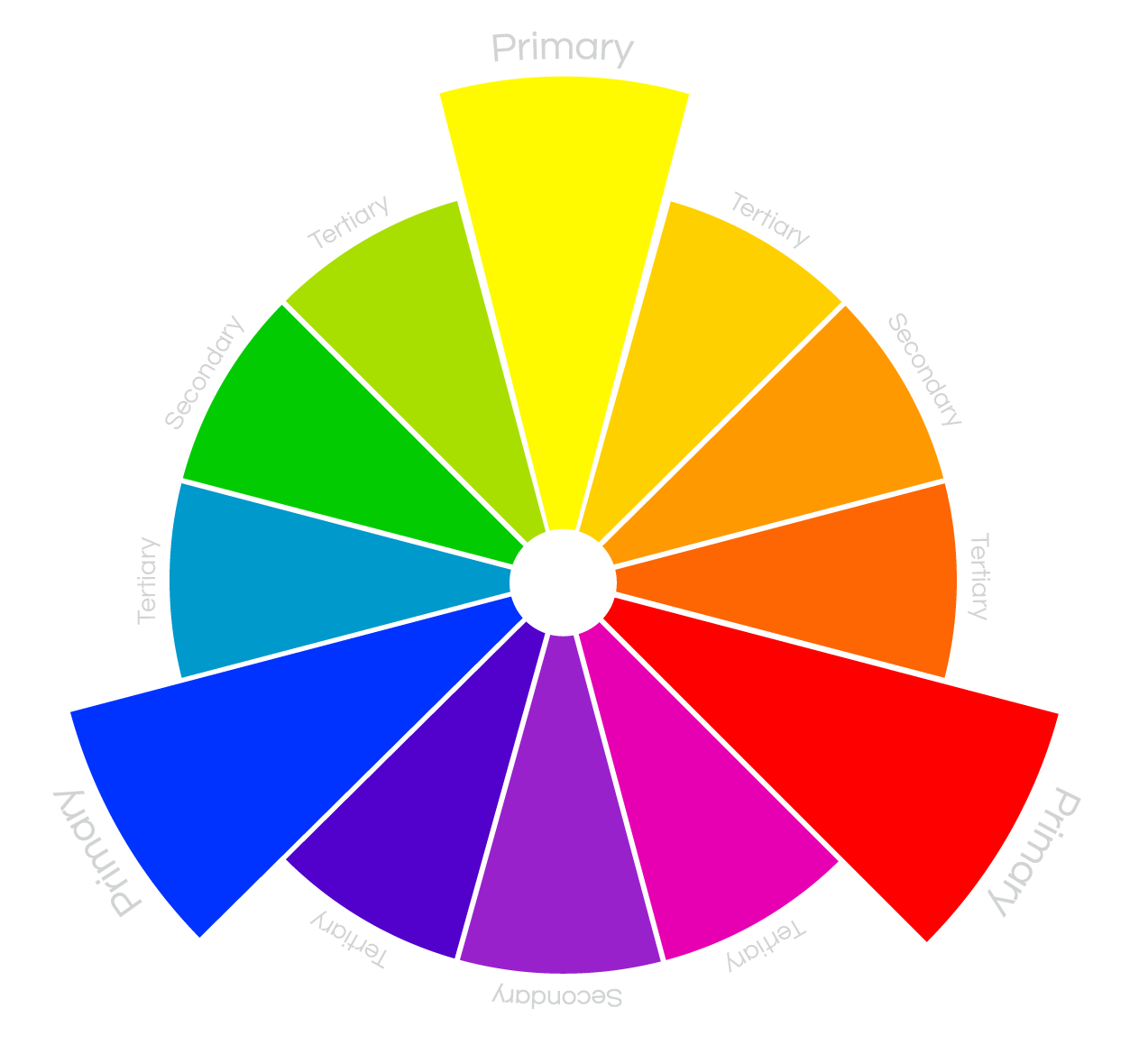
Through primary colors, secondary colors, tertiary colors, warm colors, cool colors, complementary, analogous, triadic, and split complementary colors, you have a wide range of options to choose from. Each color combination brings its own unique energy, mood, and visual impact to a space. By experimenting with different color schemes and considering the specific needs of each room, you can create a harmonious environment that is both aesthetically pleasing and functional. Split complementary colors are a variation of complementary colors that provide a more nuanced and balanced approach to color schemes. This creates a harmonious and visually appealing color scheme in interior design. RGB stands for Red, Green, and Blue, the primary colors of light.
It is a good way to soften the impact of contrasting colors and make a space feel contemporary and relevant while also achieving a balanced look. For a more intense shade contrast, consider a soft gray-blue set against navy blue. To select a monochromatic color scheme by using a color wheel, all you need to do is identify a color you like and select the other two colors that sit on either side of it.
From her years working internationally as a fashion model, Lonni developed a keen eye for understated elegance and a taste for luxurious comfort. A go-to designer for discerning clientele and celebrities alike, all of who revere his raw yet refined sensibilities. As principal of his eponymous firm, Ryan has a gift for translating luxury into exquisitely designed spaces. Lara Sachs-Fisherman leads the creative vision of her Los Angeles-based firm, Storm Interiors.
You can rely on the color wheel's segmentation to help you mix colors and create palettes with varying degrees of contrast. There are four common types of color schemes derived from the color wheel. Welcome to our page on the color wheel and how to use it for matching colors for your interior design projects. From green trees to white clouds, to yellow sunshine and gray storms, we are immersed in the beauty reflected by colors. Inspired by nature, we have adapted colors to our clothes, homes, personal grooming, toys, and educational materials.
Creating combinations involves the color wheel, starting with the primary, and moving to secondary and tertiary colors. Using complementary colors in interior design requires careful considerations of the color intensity, lighting, and the overall mood you want to achieve. While complementary colors create a visually striking contrast, it’s important to maintain a sense of harmony and balance in your design. Keep in mind that primary colors can have different shades and tones.


No comments:
Post a Comment